The digital marketing landscape is evolving rapidly. For years, businesses focused primarily on Search Engine Optimization (SEO) to improve rankings on Google and other search engines. However, the rise of AI-powered search experiences has introduced two new optimization strategies: Answer Engine Optimization (AEO) and Generative Engine Optimization (GEO).
Today, appearing in traditional search results is no longer enough. Users expect instant answers, while AI-powered platforms generate responses by pulling information from trusted sources across the web. To remain visible and competitive in 2026, businesses must optimize for SEO, AEO, and GEO simultaneously.
This guide explains how each optimization strategy works, their key differences, and how combining them can maximize your online visibility.
What Is SEO (Search Engine Optimization)?
Search Engine Optimization (SEO) is the process of optimizing a website so that search engines can crawl, index, understand, and rank its pages for relevant queries.
The primary goal of SEO is to improve visibility in search engine results pages (SERPs) and drive organic traffic.
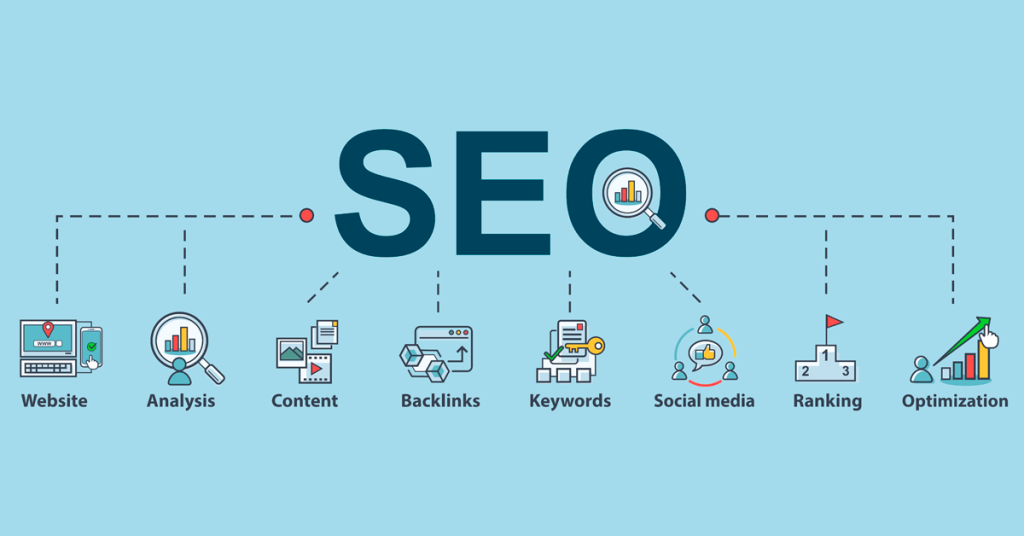
How SEO Works
Search engines use bots to:
- Crawl website pages
- Index content
- Evaluate relevance and authority
- Rank pages based on numerous ranking factors
When users perform a search, the search engine displays the most relevant and authoritative pages.
Example
If someone searches for:
“Best SEO Agency in Dubai”
A well-optimized SEO page may rank at the top of Google’s search results.
Key Focus Areas of SEO
1. Keyword Research and Targeting
Understanding what users search for helps businesses create content that aligns with search intent.
2. Technical SEO
Technical optimization ensures search engines can efficiently crawl and index your website.
Important elements include:
- XML sitemaps
- Robots.txt
- Website architecture
- Mobile friendliness
- HTTPS security
3. Content Quality
High-quality content helps search engines understand your expertise and relevance.
Effective content should be:
- Original
- Informative
- Well-structured
- Updated regularly
4. Backlink Building
Links from authoritative websites signal trust and credibility.
Quality backlinks help improve:
- Domain authority
- Search rankings
- Organic visibility
5. Page Speed Optimization
Fast-loading pages enhance both user experience and search performance.
6. Internal Linking
Strategic internal links help distribute authority across website pages.
7. User Experience (UX)
Search engines increasingly prioritize websites that provide excellent user experiences.
Google increasingly considers user experience signals such as:
- Page speed
- Mobile usability
- Engagement metrics
- Navigation structure
Benefits of SEO
- Higher organic traffic
- Increased brand visibility
- Improved lead generation
- Better search rankings
- Long-term marketing ROI
- Greater website authority
What Is AEO (Answer Engine Optimization)?
Answer Engine Optimization (AEO) focuses on helping search engines and answer platforms provide direct answers to user questions. Instead of simply ranking pages, AEO aims to become the answer itself.
As voice search, featured snippets, AI overviews, and instant answers become more common, AEO is becoming an essential digital marketing strategy.
Platforms using AEO principles include:
- Google Featured Snippets
- Google AI Overviews
- Voice Search Assistants
- Bing Copilot
- Smart Devices
How AEO Works
Answer engines analyze content and look for:
- Clear answers
- Trustworthy information
- Structured content
- Strong expertise signals
- Concise explanations
The objective is to make it easy for search engines and AI systems to extract and display your answer.
Example
When a user asks:
“What is SEO?”
An answer engine may display a concise definition directly in search results.
Your website can become the cited source for that answer.
Key Focus Areas of AEO
1. FAQ Content
Frequently Asked Questions help answer engines identify question-and-answer patterns.
Example:
What is SEO?
SEO is the practice of optimizing a website to improve its visibility in search engine results.
2. Direct Answers
Provide clear answers within the first few sentences of content. Content should provide immediate responses before diving into detailed explanations.
Users and AI systems prefer straightforward answers.
3. Structured Data (Schema Markup)
Schema helps search engines understand page content more effectively.
- FAQs
- Reviews
- Products
- Organizations
- Articles
- Events
Structured data improves the chances of earning rich results and featured snippets.
4. Clear Heading Structure
Well-structured headings improve readability and help answer engines locate relevant information.
Use:
- H1 for the main topic
- H2 for major sections
- H3 for supporting topics
5. Trust Signals
Content should demonstrate:
- Expertise
- Experience
- Authority
- Trustworthiness
6. Entity Recognition
Search engines increasingly rely on entities rather than keywords alone.
Examples include:
- Brands
- People
- Locations
- Products
- Organizations
Strong entity signals improve recognition and trust.
Benefits of AEO
- Featured snippet visibility
- Voice search optimization
- AI Overview citations
- Increased brand authority
- Higher click-through rates
- Better user experience
What Is GEO (Generative Engine Optimization)?
Generative Engine Optimization (GEO) is the practice of optimizing content for AI-powered search and generative engines.
Rather than displaying a list of links, generative engines create synthesized answers using information gathered from multiple trusted sources.
Examples include:
- ChatGPT
- Google AI Mode
- Google AI Overviews
- Gemini
- Claude
- Perplexity
- Microsoft Copilot
How GEO Works
Large Language Models (LLMs) analyze information from:
- Trusted websites
- Brand mentions
- Citations
- Expert content
- Structured data
- Industry publications
- Community discussions
AI systems then generate responses that reference or recommend brands based on perceived authority and relevance.
Example
When someone asks:
“What are the best SEO agencies in Dubai?”
An AI engine may provide a list of agencies based on:
- Online mentions
- Reviews
- Citations
- Expert recommendations
- Content authority
Your brand can be included even if users never visit a search engine results page.
Key Focus Areas of GEO
1. Building Brand Mentions
AI models look beyond your website.
Consistent brand mentions on:
- Industry blogs
- News websites
- Forums
- Directories
help establish authority.
2. Establishing Topical Authority
Publishing comprehensive content helps AI engines identify subject matter expertise.
3. Consistent Entity Signals
Maintain consistent business information across:
- Website
- Directories
- Social profiles
- Industry listings
4. PR and Citations
Media mentions increase trust and authority.
5. High-Quality Factual Content
AI systems prefer content that is:
- Accurate
- Detailed
- Updated
- Evidence-based
6. Comparison Content
Pages comparing products, services, and solutions are frequently cited by AI engines.
7. Community Engagement
AI systems increasingly analyze discussions from:
- Industry forums
- Professional communities
- User-generated platforms
Brands with positive community engagement gain stronger visibility.
8. Multi-Platform Presence
Businesses should establish visibility across:
- Websites
- Social media
- YouTube
- Podcasts
- News platforms
A broader digital footprint strengthens GEO performance.
Benefits of GEO
1. AI Recommendations
Your brand may be recommended directly by AI platforms.
2. Greater Brand Authority
Strong GEO signals improve perceived expertise.
3. Future-Proof Visibility
As AI-generated search expands, GEO becomes increasingly important.
4. Competitive Advantage
Early adopters gain visibility before competitors fully optimize for generative search.
SEO vs AEO vs GEO: Key Differences
| Factor | SEO | AEO | GEO |
|---|---|---|---|
| Primary Goal | Rankings | Direct Answers | AI Recommendations |
| Platform | Search Engines | Answer Engines | Gererative AI |
| Focus | Traffic | Visibility | Brand Mentions |
| Success Metric | Clicks | Citations & Snippets | AI Mentions |
| Optimization | Keywords, links, technical SEO | FAQs, schema, direct answers | Authority, mentions, citations |
| Traffic Source | Search results | Answer boxes | AI assistants |
| User Action | Click Website | Read Answer | Trust Recommendation |
| Content Style | Comprehensive | Concise Answers | Authoritative Information |
Real-World Example
Imagine a user searches: “Best SEO agency in Dubai.”
SEO Result
Your webpage ranks #1 in Google search results.
Users click your website.
AEO Result
Your content appears as a featured snippet or AI Overview.
Users see your answer immediately.
GEO Result
An AI assistant recommends your agency in its generated response.
Users trust the recommendation and consider your brand.
Why Businesses Need SEO, AEO, and GEO Together
Many companies focus exclusively on SEO. However, search behavior is changing rapidly.
Users now:
- Search on Google
- Use voice assistants
- Ask AI chatbots
- Rely on AI-generated recommendations
Businesses that optimize only for rankings may lose visibility in answer engines and AI systems.
The most effective strategy is integrating all three approaches.
The Modern Search Visibility Formula
SEO Drives Traffic
SEO helps users discover your website through traditional search.
AEO Increases Visibility
AEO helps your content appear in direct answers and featured snippets.
GEO Builds Recommendations
GEO positions your brand to be cited and recommended by AI systems.
Together, these strategies create a complete digital visibility framework.
Best Strategy for 2026
To succeed in modern search, businesses should:
Strengthen SEO Foundations
- Conduct keyword research
- Improve technical SEO
- Build quality backlinks
- Optimize user experience
Implement AEO Techniques
- Create FAQ pages
- Use schema markup
- Answer questions directly
- Structure content clearly
Invest in GEO
- Build topical authority
- Earn media mentions
- Publish expert content
- Increase brand citations
- Maintain a strong multi-platform presence
Conclusion
The future of search visibility extends beyond traditional rankings. SEO remains essential for driving organic traffic, but AEO helps businesses become trusted answer sources, while GEO ensures brands are recommended by AI-powered platforms.
In 2026 and beyond, companies that combine SEO, AEO, and GEO will dominate search visibility across search engines, answer engines, and generative AI systems.
Remember: SEO gets clicks, AEO gets answers, and GEO gets chosen. Businesses that master all three will have the strongest digital presence in the AI-driven search era.

Guest Blogger. Digital Marketing Specialist. 10+ years of experience in SEO, SMO/SMM, PPC, ORM, and YouTube.